I have spent a good amount of time researching shower floors, and pebble floors kept coming up. They look great, but they are not always the right fit for every bathroom.
In this blog, I will walk you through the pebble shower floor pros and cons so you can decide if it is worth it for your space.
We will cover the different types, what makes them great, where they fall short, and some solid alternatives if pebble is not your thing.
I have pulled together everything you need in one place. No fluff, just the real stuff.
What Is a Pebble Shower Floor?
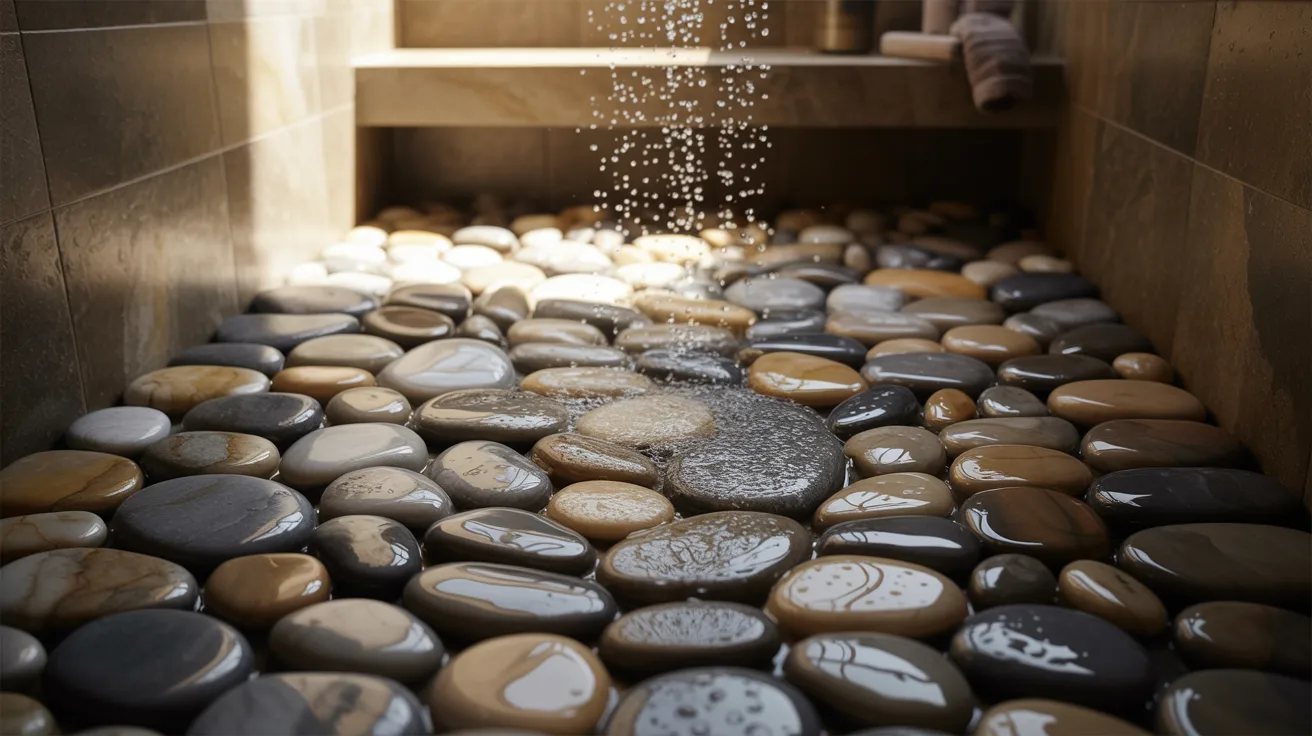
A pebble shower floor uses small, rounded stones or stone-look tiles to cover the base of your shower. It adds a natural, spa-like feel to any bathroom without a big renovation.
There are three main types to know about. Natural pebbles are real river stones on mesh backing.
They look organic and feel good underfoot but need regular sealing to handle moisture. Flat-cut pebbles are natural stones sliced to a smooth top surface.
They give you the real stone look with a flatter, easier-to-clean finish. Porcelain pebble-look tiles are man-made but designed to mimic real stone. They are durable, water-resistant, and need no sealing, making them the lowest-maintenance option of the three.
Each type works well in a shower. It just comes down to how much upkeep you want and what look you are going for.
Pros of Pebble Shower Floors
Pebble shower floors bring a lot to the table. They look great, feel good underfoot, and hold up well over time.
Natural Spa-Like Appearance
Pebble floors give your shower a relaxed, nature-influenced look. The rounded stones come in different shades and sizes, so the floor has a natural, organic feel.
It looks like something straight out of a high-end spa without much effort. If you want your bathroom to feel calm and put-together, pebble flooring does that job well.
Good Slip Resistance
The textured surface of pebble floors gives your feet something to grip. Each stone creates a small point of contact, which adds traction even when the floor is wet.
This makes it a solid pick for households with kids or older adults who need a safer shower floor.
Comfortable Massage-Like Feel
Walking on pebble floors feels different from walking on flat tile. The rounded stones press lightly against the soles of your feet, which many people find soothing after a long day.
It is a simple way to make your daily shower feel more relaxing.
Durable and Long-Lasting
Pebble floors are built to last. Natural stone handles moisture well and does not break down easily with regular use.
With proper sealing and basic upkeep, a pebble shower floor can stay in good shape for many years.
Cons of Pebble Shower Floors
Pebble shower floors look great, but they come with some real downsides you should know before installing one.
High Maintenance and Cleaning
Pebble floors have lots of small gaps and uneven surfaces. Dirt, soap scum, and mildew can build up fast. You need to scrub them more often than flat tile floors.
Requires Regular Sealing
You have to seal pebble floors every six to twelve months. Skipping this step lets water seep in and damage the surface over time. It adds to your upkeep list for sure.
Excess Grout Can Get Dirty
There is a lot of grout between each pebble. Grout is porous, so it absorbs grime quickly. Keeping it clean takes more time and effort than most people expect.
Rounded Pebbles May Hurt Feet
Standing on rounded pebbles for long periods can feel uncomfortable. Some people find it painful, especially first thing in the morning or after a long day.
Poor Installation Can Cause Drainage Problems
If the floor is not set at the right angle, water won't flow toward the drain properly. This can lead to pooling and even mold growth over time.
Pebble Shower Floor Installation Considerations
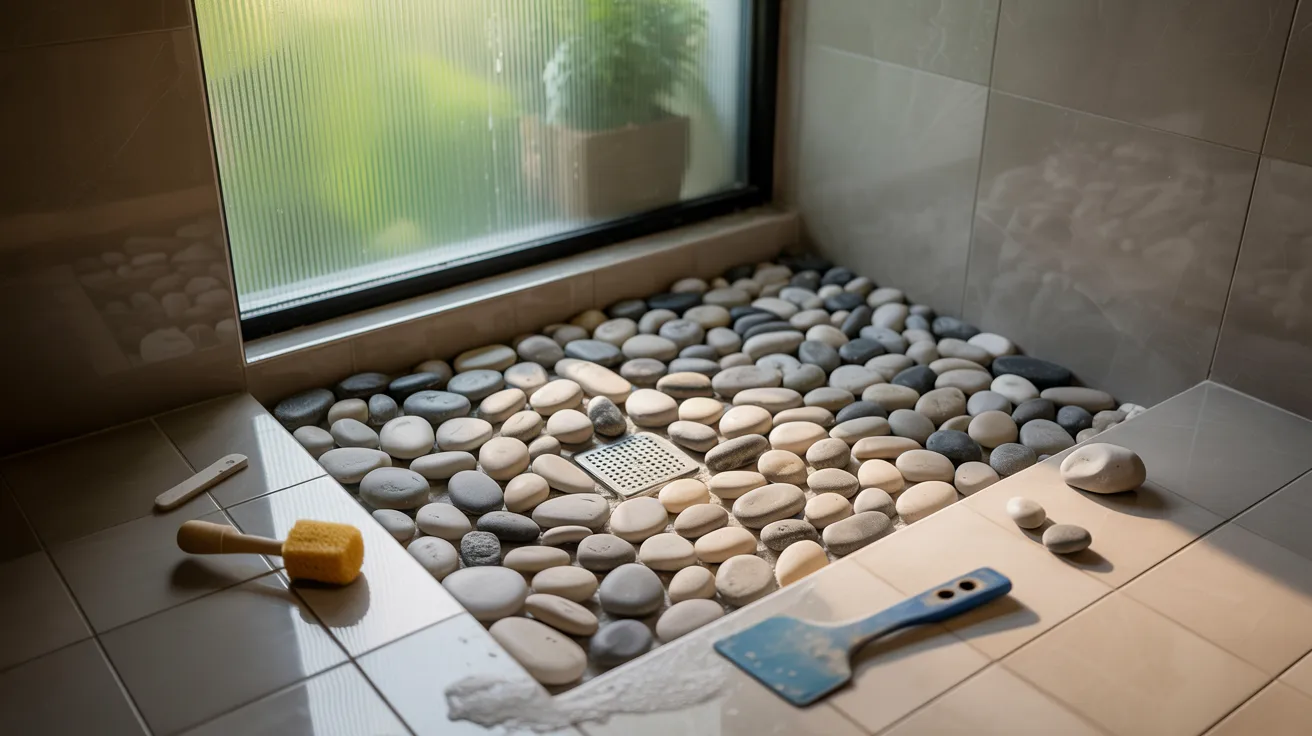
A pebble shower floor adds a natural, earthy look to any bathroom. But before you get started, there are a few important things to think about.
Surface Preparation Matters
The base underneath your pebble floor must be solid and waterproof. Any movement or moisture seeping through can loosen the stones over time. A properly sloped mortar bed helps water drain the way it should.
Grout Choice Makes a Difference
Pebble floors have more grout lines than flat tile. This means you need a grout that holds up against water and stays clean. Sanded grout works well for wider gaps between stones.
Sealing Is Not Optional
Both the pebbles and the grout need to be sealed after installation. This protects the surface from mold, mildew, and staining. Resealing every year or so keeps the floor in good shape.
Comfort Underfoot
Pebble floors can feel uneven on bare feet. Rounded, flatter stones tend to be more comfortable than sharp or jagged ones. Keep this in mind when picking your materials.
Cleaning Takes More Effort
The uneven surface traps soap scum and dirt more easily than smooth tile. Regular scrubbing with a soft brush keeps the floor looking fresh. A mild, pH-neutral cleaner works best to avoid damage.
Professional Help Is Worth It
Getting the slope and waterproofing right is tricky. If these steps are done poorly, water damage can follow. Hiring an experienced tile installer reduces the risk of costly repairs later.
Are Pebble Shower Floors Worth It?
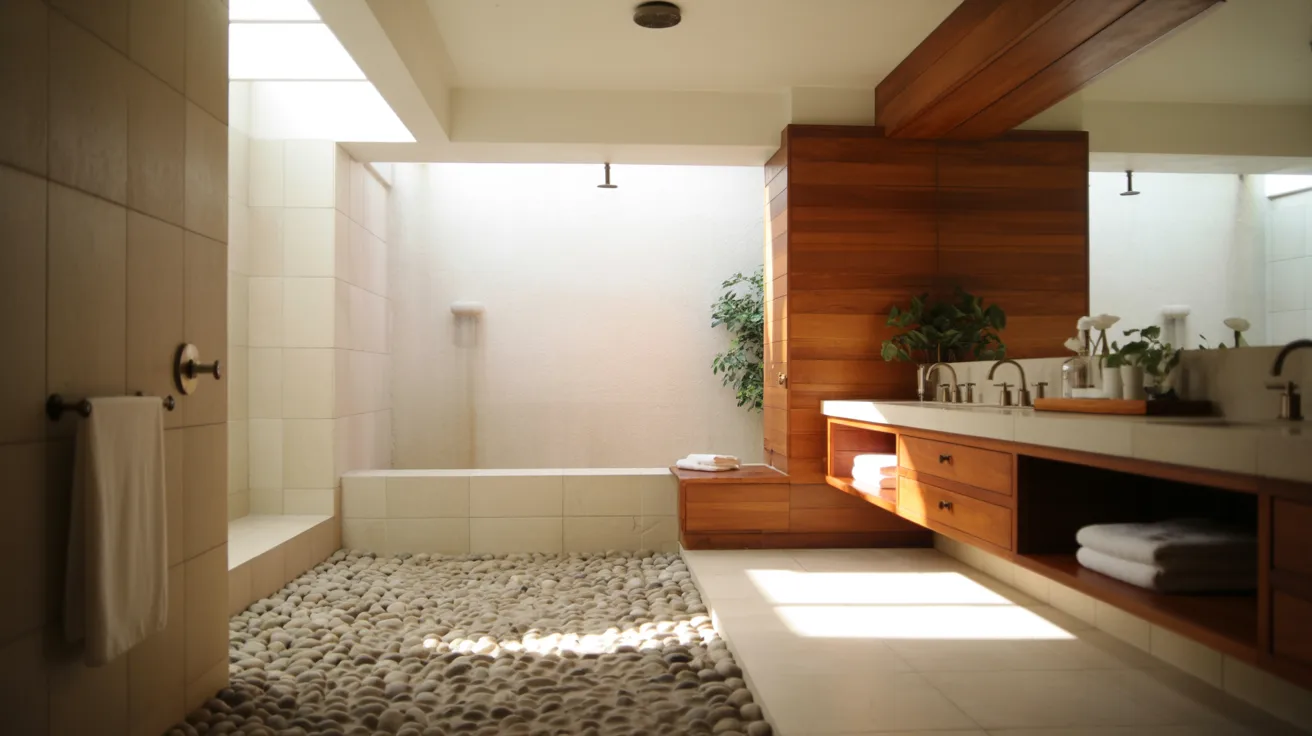
Pebble shower floors have a natural, spa-like feel that many people love. The textured surface gives good grip and looks great in the right bathroom.
But they are not easy to maintain. All those small grout lines collect soap scum and mildew fast. You will need to scrub often to keep them clean.
They also feel rough underfoot, which not everyone enjoys. If you want a relaxed, low-effort bathroom, a flat tile floor is the smarter pick.
Go for pebble floors if you love the look and do not mind the upkeep. Skip them if easy cleaning is your top priority.
Best Alternatives to Pebble Shower Floors

Pebble shower floors look great, but they come with real maintenance issues. The rough texture traps soap scum, and all those grout lines are a pain to keep clean.
Two options that give you a similar look without the hassle are porcelain pebble-look tiles and hexagon or mosaic tiles.
Porcelain pebble-look tiles mimic the natural stone feel but sit flat. That means easier cleaning and fewer grout lines to worry about. They come in neutral tones like gray, beige, and brown, so they fit most shower setups well.
Hexagon and mosaic tiles are another solid pick. They add visual interest to the floor and offer good grip in wet conditions. You can go with ceramic, glass, or stone finishes depending on the look you want. Glass adds a bit of shine, while stone keeps things more natural and grounded.
Both options are low-maintenance, water-resistant, and widely available at most tile stores.
Tips to Maintain a Pebble Shower Floor
Keep your pebble shower floor looking fresh and clean with these easy, practical care tips.
- Clean often & use the right products: Rinse after every shower to prevent soap buildup, and always use a pH-neutral cleaner safe for natural stone, harsh acids or bleach will damage grout over time.
- Scrub grout lines weekly: Use a soft-bristle brush to clean the low-sitting grout lines where dirt and mildew collect easily, a few minutes of regular brushing prevents stubborn buildup.
- Seal grout every 6–12 months: Grout is porous and absorbs water and stains, so applying a sealer regularly is a simple step that keeps your floor looking newer for longer.
- Dry the floor & ventilate well: Use a squeegee or towel to remove standing water after each shower, and ensure good bathroom ventilation to discourage mold and mildew growth.
- Inspect pebbles & use gentle tools: Press on pebbles every few months to catch any loose ones before they become a slip risk, and always stick to soft brushes instead of wire or steel wool.
Conclusion
Pebble shower floors have a charm that is hard to ignore. But after dealing with stubborn grout stains myself, I get why so many people look for something easier to live with.
My honest take? Go for it if you love the look and have time for upkeep. If not, porcelain or mosaic tiles do the job just as well.
If this helped you decide, drop a comment below and let me know which option you are leaning toward. I would love to hear your thoughts.
Frequently Asked Questions
Are pebble shower floors hard to clean?
Yes, they require regular scrubbing because dirt and soap scum build up in the grout lines fast.
Do pebble shower floors need sealing?
Natural pebble floors need sealing every six to twelve months to protect the surface from moisture damage.
Are pebble shower floors slippery?
No, the textured surface actually gives good grip underfoot, making them safer than most flat tile floors.
Can pebble shower floors cause drainage problems?
Yes, poor installation can lead to water pooling if the floor is not angled correctly toward the drain.
What is the best alternative to a pebble shower floor?
Porcelain pebble-look tiles are the top pick since they mimic the natural look with far less maintenance.