Floors take a beating every day. And after refinishing, one wrong step can leave a permanent mark.
I have refinished floors in dozens of homes. Trust me, the wait is always worth it.
This guide covers how long to wait before walking on polyurethane floors, the difference between drying and curing, what slows the process down, and how to protect your finish once it is ready.
Whether you used water-based or oil-based polyurethane, the answer is not the same for both.Getting this wrong can ruin weeks of hard work.
Let us make sure that does not happen to you.
Why You Should Wait Before Walking on Polyurethane Floors
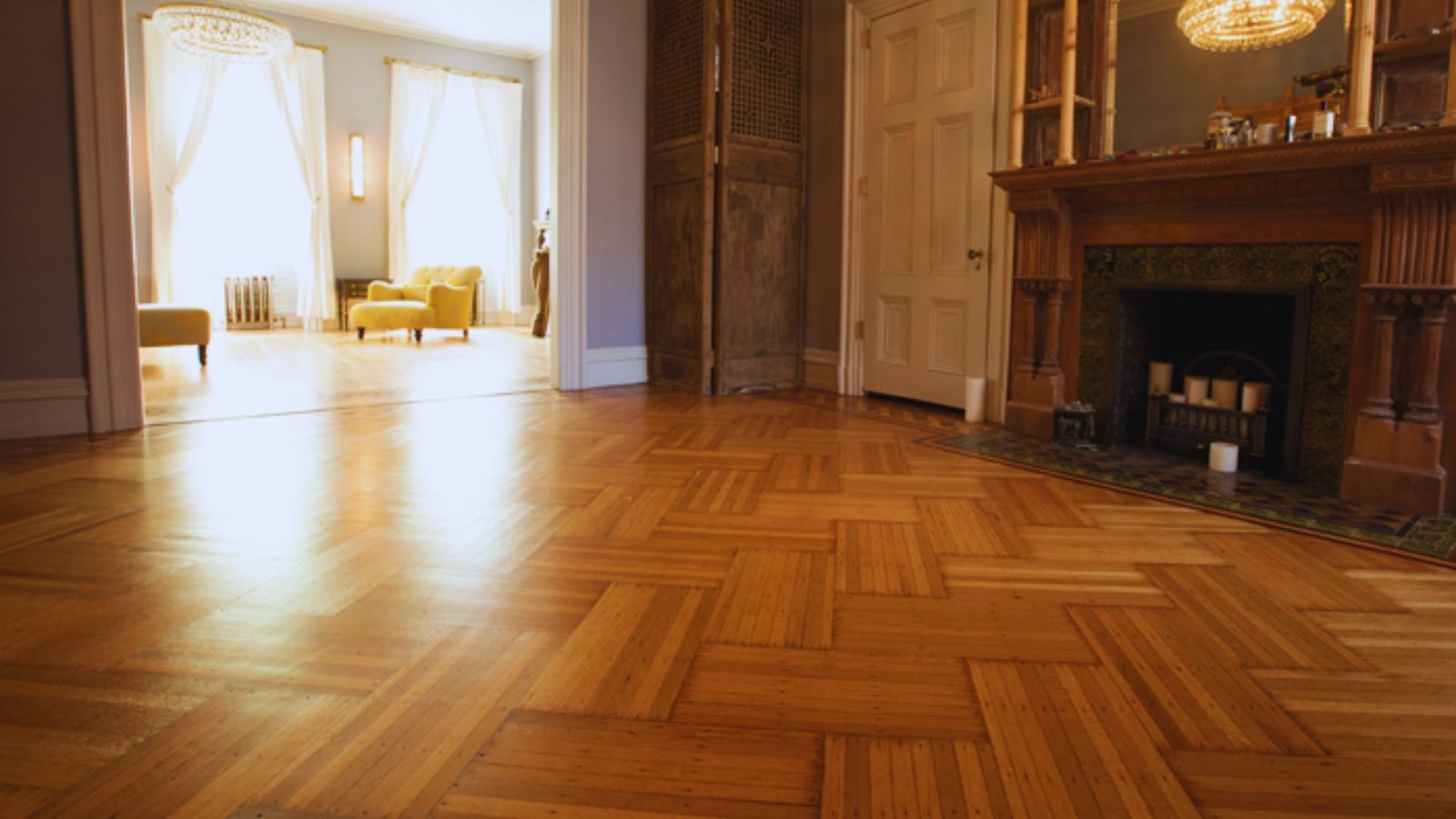
Polyurethane gives wood floors a strong, protective layer that lasts for years. But walking on it too soon can leave permanent marks, dents, or scuffs. This happens because drying and curing are not the same thing. The surface may feel dry on top but still be soft underneath.
For water-based polyurethane, wait 24 hours before light foot traffic and 72 hours before moving furniture back. Oil-based types need 48 hours for foot traffic and up to a week for furniture.
High humidity and cold temperatures slow curing down, so add extra days if your home is damp or cold.
Keep pets and kids off the floor during this period. Press your fingernail into a hidden corner to check if it is ready. If it leaves a mark, wait longer. A properly cured floor can last 10 years or more, so the wait is always worth it.
How Long After Polyurethane Can You Walk on Floors
Knowing the right wait time protects your finish and prevents damage.
Water-Based Polyurethane Drying Time

Water-based polyurethane dries fast. You can walk on it in socks within 2 to 4 hours. But drying and curing are not the same thing. Full cure takes about 7 days.
Oil-Based Polyurethane Drying Time

Oil-based needs more time. Wait 6 to 8 hours before walking on it in socks. Keep the space well-ventilated since fumes are stronger. Wait 3 to 7 days before placing rugs or furniture back.
When Heavy Foot Traffic Is Safe

For water-based, wait 7 days. For oil-based, wait 7 to 10 days. Placing rugs too soon can cloud or peel the finish.
A simple rule:socks after a few hours, normal traffic after 24 hours, full use after 7 to 10 days.
How to Walk on Floors Without Damaging the Finish

Small habits go a long way in keeping your floors looking fresh and scratch-free for years to come.
Wear Socks Instead of Shoes
Shoes carry grit and debris that scratch your floor with every step. Wearing socks is the easiest fix.
Make it a house rule to remove shoes at the door and keep a small shoe rack nearby for everyone to use.
Avoid High Heels and Heavy Footwear
High heels concentrate force into a tiny surface area, leaving dents and marks on finished floors. Heavy boots are rough and carry outdoor grime.
Keep soft-soled slippers by the door for easy switching when you get home.
Keep Pets and Kids Off the Floor During Sensitive Times
Pet claws and dragged toys cause more damage than most people realize. Trim your pet's nails regularly and keep both kids and pets out of freshly coated areas until the floor is fully set.
Reduce Foot Traffic During Curing
A floor may feel dry in hours, but the finish keeps hardening for days. Walking on it too soon leaves scuff marks and soft spots.
Limit traffic during this period and give the floor the full curing time before returning to normal use.
Factors That Affect Drying Time

Several things can change how long paint or coating takes to dry. Knowing these factors helps you plan your work better and avoid common mistakes.
Humidity and Temperature
High humidity slows drying down because too much moisture in the air keeps the surface wet longer. On dry days, paint tends to dry much faster. Temperature matters just as much. Warm air speeds up drying, while cold air slows it down or stops it completely.
Try to work when the temperature is between 50°F and 85°F. This range gives the best results for most paints and coatings. Checking the weather before you start can save you a lot of waiting time.
Ventilation and Airflow
A closed room traps moisture near the surface and keeps it wet for longer. Opening windows or using a fan moves that moisture away and brings in fresh dry air. This simple step can cut drying time by a good amount.
If you are working indoors, keep at least one window open during and after applying the coat. A box fan pointed toward the surface works well too. Good airflow is one of the easiest ways to speed things up.
Number of Coats Applied
More coats mean more time waiting for everything to dry fully. Each layer needs to be completely dry before the next one goes on. Skipping this step can cause peeling, bubbling, or an uneven finish later on.
Thin coats dry faster than thick ones. Applying too much at once traps moisture inside and slows the whole process down. Always check the product label for the recommended wait time between coats.
Common Mistakes to Avoid

Small errors after floor installation can ruin your results. Avoid these three mistakes.
Walking Too Early
Do not walk on new floors too soon. Most floors need at least 24 to 72 hours to fully set. Foot traffic before that can cause bubbling, shifting, or uneven surfaces. Put up a barrier and keep everyone out of the room.
Cleaning Too Soon
Cleaning too early can damage your floor. Water and cleaners can seep in before the floor has properly set. This can lead to warping or staining. Wait 48 to 72 hours before using any liquid cleaner.
Moving Furniture Prematurely
Heavy furniture creates pressure on floors that have not fully cured. This can cause dents or cracks that are hard to fix later. Wait at least 48 hours before moving anything back. Use felt pads under furniture legs to protect the surface.
Tips to Avoid Damaging Newly Finished Floors
Taking care of your new floors right after finishing keeps them looking great for years.
- Hard-soled shoes and bare feet can scratch or leave oil marks on a fresh finish. Always wear clean, soft socks when walking on newly finished floors.
- Furniture legs can press into a finish that has not fully hardened yet. Keep all furniture off the floor for at least 24 to 48 hours after finishing.
- Rugs trap moisture and heat underneath, which can slow drying and cause the finish to lift or bubble. Leave the floor completely clear until it fully cures.
- Too much foot traffic too soon raises the risk of scratches and marks. Try to keep the room closed off as much as possible during the curing period.
- Pets and kids can cause the most damage on fresh floors. Block access to the room until the finish is fully set and safe for normal use.
Conclusion
Taking care of your floors does not have to feel like a big chore. Small steps, like swapping shoes for socks or waiting out the curing time, really do make a difference.
I started doing this in my own home and was surprised by how much longer my floors stayed looking good.
Your floors work hard every day, so a little care goes a long way. Try one tip this week and see the result yourself. Drop a comment below and let us know how it went!
Frequently Asked Questions
Can I walk on freshly finished floors the same day?
It is best to wait at least 24 hours before walking on a freshly finished floor. The finish needs time to harden properly, so patience here really pays off.
Do socks really protect hardwood floors from scratches?
Yes, soft socks are much gentler on hardwood than bare feet or shoes. They help reduce the buildup of oils and prevent small scratches from forming over time.
How do pet claws damage floor finishes?
Pet claws act like tiny sharp points that drag across the surface with every step. Over time, this creates visible scratch marks that dull the finish and are hard to fix.
Are rubber-soled shoes safe to wear on finished floors?
Rubber soles can leave scuff marks and sometimes stick to certain floor finishes. It is safer to wear clean, soft-soled indoor footwear or socks instead.
How long does a floor finish take to fully cure?
Most floor finishes take anywhere from 3 to 7 days to cure completely. During this time, it is a good idea to keep foot traffic light and avoid placing heavy furniture back too soon.