I have seen a lot of older homes with flooring that raises serious questions. If your house was built before the 1980s, you might be living with asbestos floor tiles and not even know it.
I put this guide together to help you figure out what to look for and what to do next.
We will cover how these tiles look, how to spot warning signs, which tile types are most at risk, and the right steps to take if you suspect asbestos.
You do not need to panic. You just need the right information.
What Do Asbestos Floor Tiles Look Like?

Asbestos floor tiles were everywhere in homes built before the 1980s. If your house is older, there is a good chance these tiles are hiding under your current flooring.
Knowing what they look like can help you spot them early.
They do not look dangerous at all, which is exactly why so many people miss them.
Size is one of the biggest clues. Most asbestos floor tiles were made in a 9×9 inch format.
This was the standard size from the 1950s through the early 1970s. You will also find 12×12 inch versions, but those came later.
Color and pattern varied quite a bit. Solid shades like white, cream, gray, tan, and black were very common.
Many tiles had a speckled or marbled look with flecks of contrasting color. The surface was usually smooth with a low-gloss or slightly waxy finish.
Wear signs are easy to spot on older tiles. Cracking, chipping, and brittleness are the most common.
Edges may curl up, corners break off, and once-bright tiles often turn yellow or brown over time. If the tiles crumble when pressed, that is a serious red flag.
How to Tell If Your Floor Tiles May Contain Asbestos
Older tiles can hide a serious risk. Here is what to check before you start any demo work.
Check the Age of Your Home
If your home was built before 1980, there is a real chance your floor tiles contain asbestos. The U.S. banned most asbestos use in flooring around 1978. But builders kept using old stock for a few years after that.
Check your property records if you are unsure of the build date. That one detail narrows things down fast.
Look for Black Adhesive Under Tiles
See thick, black, tar-like glue under your tiles? That is called black mastic. It was commonly used from the 1950s through the 1970s and often contains asbestos.
Do not scrape or grind it. Leave it alone and get it tested first.
Compare Tiles to Common Asbestos Styles
Most asbestos tiles are 9×9 or 12×12 inches. They tend to come in muted solid colors like beige, gray, or brown. They feel hard and brittle, and they crack when removed rather than flex.
If your tiles match this description and your home is older, testing makes sense.
Inspect the Backing Material
Flip a loose tile over. Asbestos tiles often have a rough, fibrous, or paper-like backing. Modern tiles feel rubbery or foam-like underneath.
If the backing looks gray and layered, do not cut or sand it. Get a certified lab to test it instead.
Types of Floor Tiles That Commonly Contained Asbestos
Homes built before the 1980s often used flooring materials that contained asbestos. Knowing which types were most common can help you spot potential risks early.
Vinyl Floor Tiles
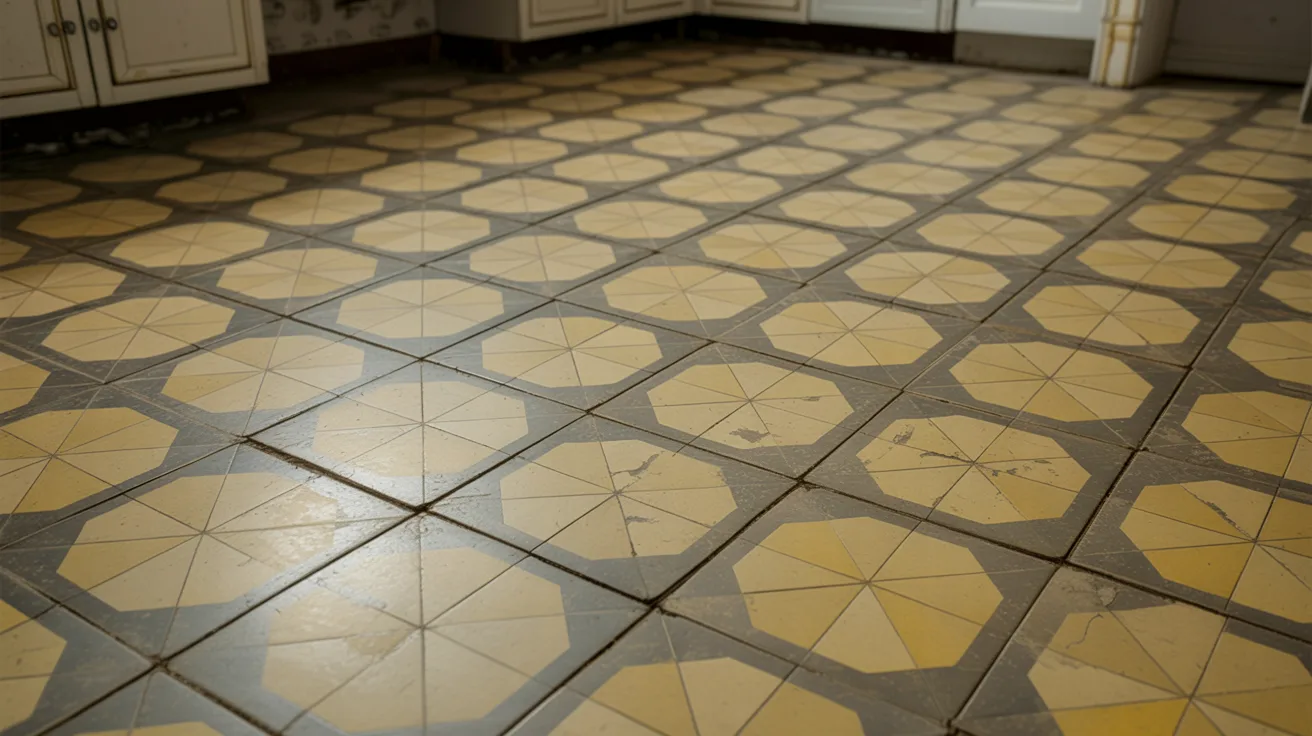
These were usually 9×9 or 12×12 inches and had asbestos mixed in for strength and heat resistance. They're safe when intact but risky when cracked or disturbed during removal.
Asphalt Floor Tiles
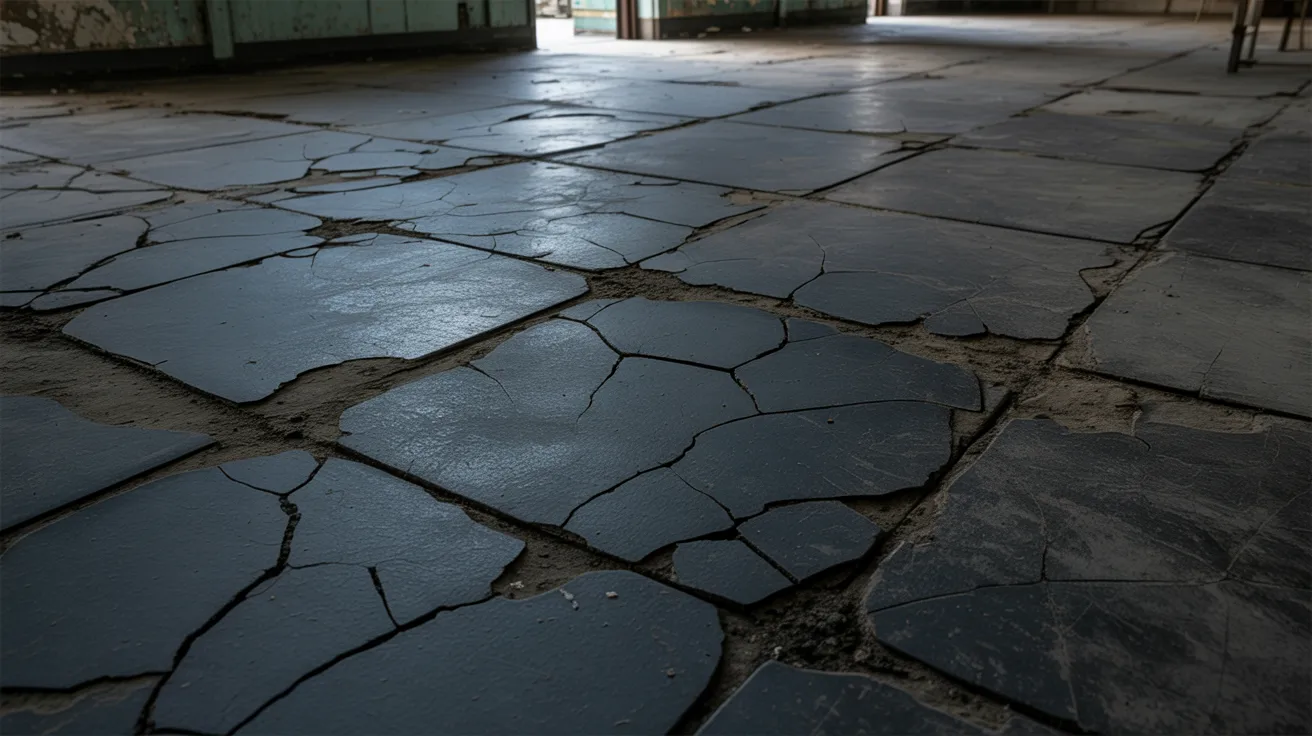
Common in homes and buildings from the 1920s to 1960s, asphalt tiles were cheap and durable.
Asbestos was added for fire resistance and strength. Older dark-colored brittle tiles are the most likely to contain it.
Sheet Vinyl Flooring

This type came in large rolls instead of individual tiles. Many older versions had an asbestos-containing backing layer for added durability.
The risk here is that the asbestos is hidden underneath. Always test it before pulling it up.
Where Asbestos Floor Tiles Are Commonly Found
Asbestos floor tiles turn up in more places than most people expect. Older homes are full of them.
Kitchens and Bathrooms
These were the most common spots for vinyl floor tiles decades ago. Asbestos made them moisture and heat resistant.
If your kitchen or bathroom still has original flooring from the 1960s or 1970s, it may contain asbestos.
Basements and Laundry Rooms
These areas deal with a lot of moisture and temperature changes. Builders wanted something tough, and asbestos tiles fit that need at the time. Many of these floors were never replaced.
Older Homes Built Before the 1980s
Any home built before 1980 is worth a closer look. Asbestos was widely used in building materials during that era, and floor tiles were one of the most common products that contained it.
What to Do If You Suspect Asbestos Floor Tiles
If you think your floor tiles contain asbestos, the first step is simple. Do not touch them. Avoid sanding, scraping, or trying to remove them on your own.
Asbestos only becomes harmful when it breaks apart and releases fibers into the air.
Keep kids and pets away from any cracked tiles. Do not vacuum the area either since it can spread fibers around.
Get a certified inspector to test the tiles. You cannot tell just by looking. A lab test is the only way to confirm it. It is affordable and worth doing before any repair work.
If the test comes back positive, call a licensed asbestos removal professional.
They have the right training and gear to handle it safely. Do not try to do it yourself. The health risks are too serious to ignore.
Conclusion
Dealing with old flooring can feel overwhelming, especially when asbestos is involved. I get it. When I first learned about asbestos tiles, I had no idea how common they actually were in older homes.
The good news is, you do not have to figure this out alone. Stay calm, avoid touching anything suspicious, and get a professional to test it.
Have you dealt with asbestos floor tiles before? Drop a comment below and share your experience. And if this helped, pass it along to someone who might need it.
Frequently Asked Questions
Can asbestos floor tiles make you sick?
Yes, but only if they are damaged and release fibers into the air.
How do I know if my floor tiles contain asbestos?
Get them tested by a certified lab. There is no way to tell just by looking.
Is it safe to leave asbestos tiles in place?
Yes, intact tiles that are not disturbed are generally considered low risk.
How much does asbestos tile testing cost?
It is usually affordable, ranging from $25 to $75 per sample depending on the lab.
Can I put new flooring over asbestos tiles?
Yes, in many cases you can install new flooring directly over them without removal.