I've helped a lot of people pick the right floor, and this question comes up more than you'd think.
Both look similar at first glance. Both are affordable. But they are very different when it comes to materials, durability, and where you should actually use them.
In this blog, I'll walk you through everything you need to know.
We'll cover how each floor is made, which one handles water better, and which one fits your budget and lifestyle.
By the end, you'll have a clear answer for your home.
Let's get into it.
Linoleum Flooring vs Vinyl Flooring Overview
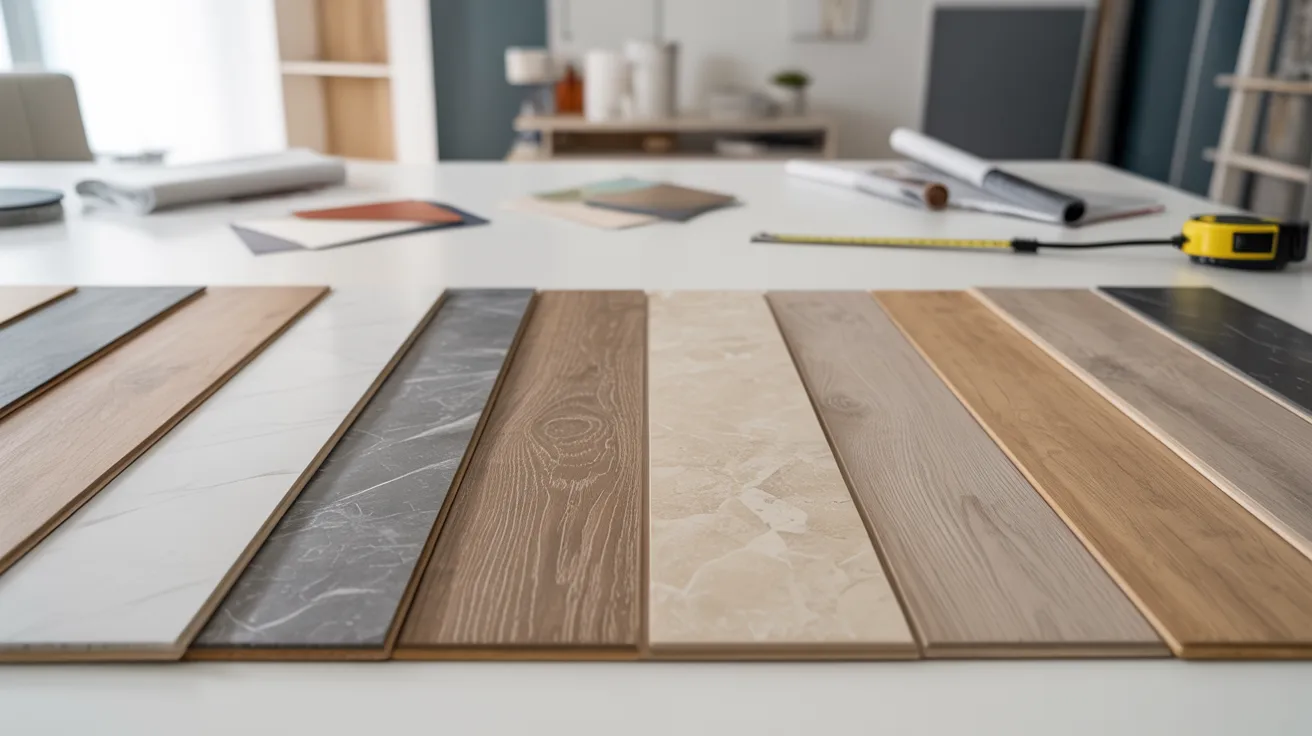
If you're picking new floors, linoleum and vinyl probably both showed up on your list.
They look similar at first glance. But they are very different in how they're made, how long they last, and what they cost.
Linoleum is made from natural materials like linseed oil, cork dust, and wood flour. It's eco-friendly, durable, and has been around for over 150 years.
The color runs all the way through the material, so scratches don't show up as easily.
Vinyl is made from PVC and comes in layers. A clear wear layer on top protects it from moisture, stains, and scratches.
It works great in kitchens, bathrooms, and basements where water is a concern.
Both are affordable. Both are easy to maintain. But they suit different needs. This guide breaks down the key differences so you can pick the right one for your home.
Key Differences Between Linoleum and Vinyl Flooring
Linoleum and vinyl look similar but differ in materials, durability, and cost. Here is a clear breakdown to help you choose.
| Factor | Linoleum | Vinyl | Better Choice |
| Material | Natural linseed oil, cork dust, wood flour, jute. Biodegradable. | Synthetic PVC & chemicals. Not biodegradable. | Linoleum (eco-friendly) |
| Water Resistance | Water-resistant but not waterproof. Needs sealing & resealing. | 100% waterproof. Safe for bathrooms, kitchens & basements. | Vinyl |
| Durability & Lifespan | 25–40 years with proper care. Hardens over time, scratches less visible. | 10–20 years. Can dent or scratch under heavy furniture. | Linoleum |
| Maintenance | pH-neutral cleaner, reseal every few years. Moderate effort. | Sweep & mop with standard cleaners. No sealing needed. | Vinyl (easier) |
| Design Options | Solid colors, patterns, marbled looks. Natural matte finish. | Wide variety mimics wood, stone & tile with realistic printing. | Vinyl (more variety) |
| Upfront Cost | $2–$5 per sq ft. Higher initial cost. | $1–$3 per sq ft (basic). LVP costs more but still cheaper overall. | Vinyl (cheaper) |
| Long-term Value | Lasts longer, fewer replacements. Better value over time. | Lower upfront cost but may need replacing sooner. | Linoleum |
Material and Composition

Linoleum is made from natural materials. It uses linseed oil, cork dust, wood flour, and jute. This makes it a biodegradable and eco-friendly option.
Vinyl is fully synthetic. It is made from PVC (polyvinyl chloride) and other chemical compounds. It is not biodegradable but is highly flexible and easy to manufacture.
If you care about using natural materials in your home, linoleum is the better pick. If you want something budget-friendly and easy to install, vinyl works well.
Water Resistance

Vinyl wins here. It is 100% waterproof. You can install it in bathrooms, kitchens, and basements without worry.
Linoleum is water-resistant but not waterproof. If water sits on it for too long, it can seep through the edges and cause damage. It needs to be sealed properly and resealed over time.
So for wet areas, vinyl is the safer choice.
Durability and Lifespan
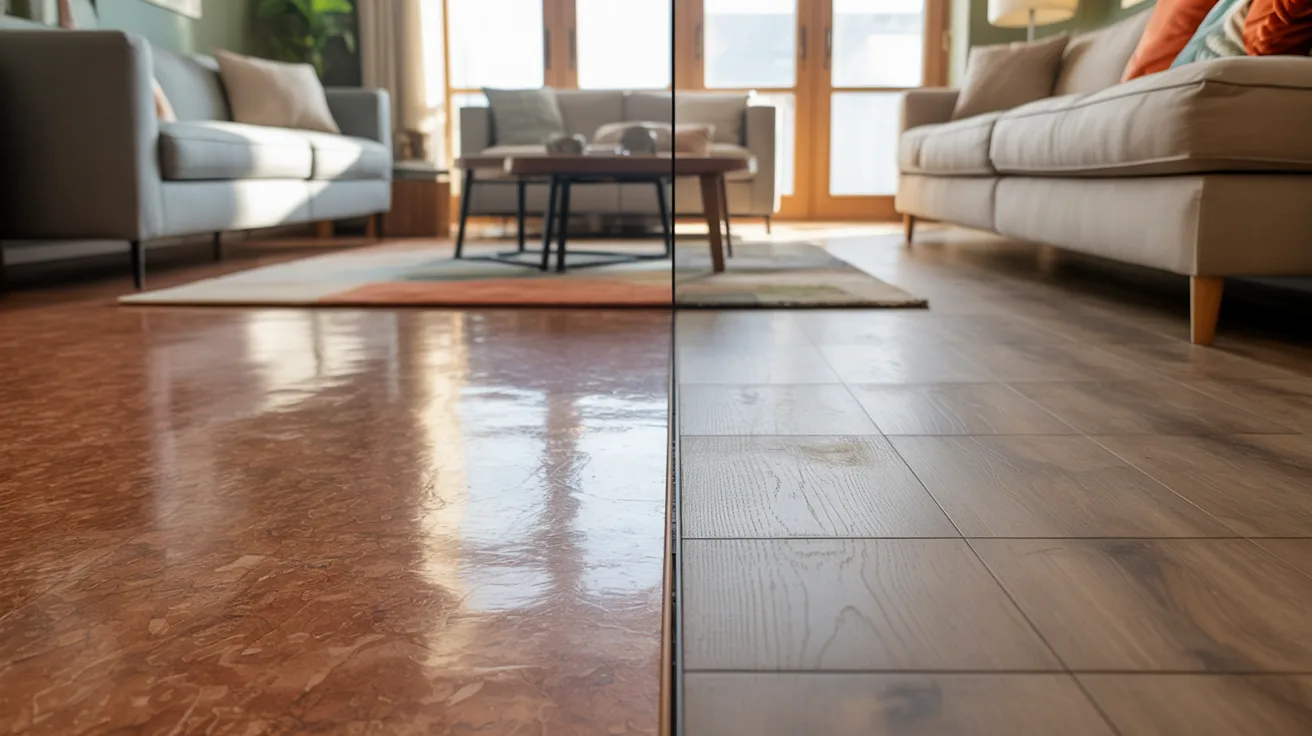
Linoleum lasts longer. With proper care, it can last 25 to 40 years. It holds up well under heavy foot traffic and does not wear out quickly.
Vinyl is durable too, but it has a shorter lifespan. Most vinyl floors last around 10 to 20 years depending on the thickness and quality.
One thing to note: linoleum gets harder with age. Vinyl can dent or scratch more easily under heavy furniture.
Maintenance and Cleaning
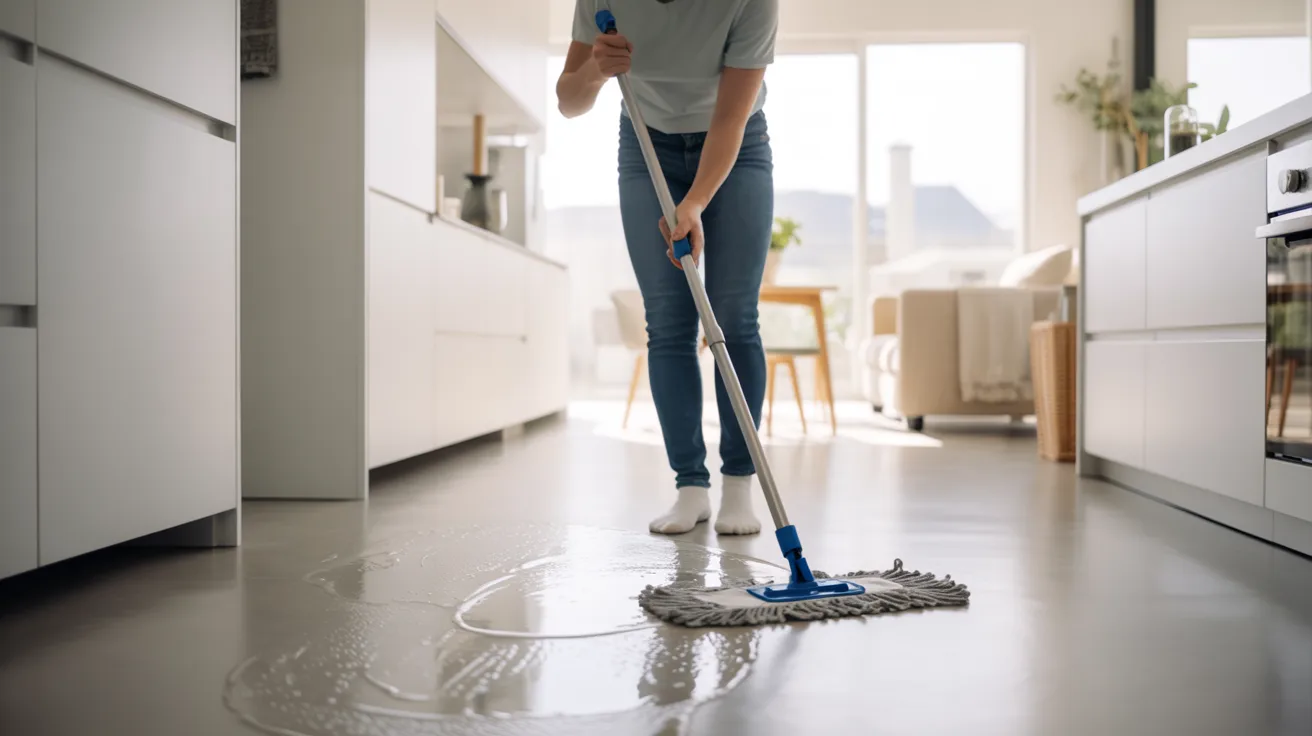
Both floors are easy to maintain, but in different ways.
Vinyl only needs regular sweeping and mopping. No sealing required. You can clean it with most standard floor cleaners.
Linoleum needs a bit more attention. It should be swept regularly and cleaned with a pH-neutral cleaner. It also needs to be resealed every few years to keep moisture out and maintain its finish.
If you want low-effort upkeep, vinyl is the easier option.
Design and Appearance

Vinyl has more design options. It can mimic wood, stone, tile, and other textures very closely. The printing technology used in vinyl flooring has improved a lot, so it looks quite realistic.
Linoleum comes in solid colors, patterns, and marbled looks. It has a more natural, matte appearance. The color runs all the way through the material, so scratches are less visible.
Both look great, but vinyl gives you more variety to match different room styles.
Cost Comparison

Linoleum tends to cost more upfront. It usually ranges from $2 to $5 per square foot for materials. Installation can add to that cost.
Vinyl is more affordable. Basic vinyl starts around $1 to $3 per square foot. Luxury vinyl plank (LVP) can cost more, but it still tends to be cheaper than linoleum overall.
That said, linoleum can save you money in the long run because it lasts longer and needs fewer replacements.
Pros and Cons of Linoleum Flooring
Linoleum has been around for decades and still holds up well in modern homes. It is natural, durable, and easy on the budget. But it does come with a few drawbacks worth knowing before you buy.
Pros
- Lasts 20 to 40 years with basic care
- Made from natural, renewable materials
- Budget-friendly and low maintenance
- Resistant to bacteria and allergens
Cons
- Prone to moisture damage if not sealed
- Can fade under direct sunlight
- Tricky to install without professional help
Pros and Cons of Vinyl Flooring
Vinyl flooring has become one of the most popular choices for homeowners today. It is affordable, easy to install, and holds up well in busy areas like kitchens and bathrooms. But like any flooring option, it comes with its own set of strengths and weaknesses.
Before you make a decision, it helps to know both sides.
Pros
- Waterproof-Vinyl handles spills and moisture well, making it a solid pick for wet spaces.
- Low cost- It is one of the more budget-friendly flooring options out there.
- Easy maintenance- A quick mop or sweep keeps it looking clean.
- Comfortable underfoot- It has a slight cushion that makes standing on it easier.
- Wide variety- You can find it in many styles, colors, and textures.
Cons
- Not eco-friendly- Vinyl is made from PVC, which is not biodegradable.
- Can get damaged- Sharp objects or heavy furniture can leave marks or cuts.
- Hard to repair- If one section gets damaged, fixing it cleanly can be tricky.
- Lower resale value- Some buyers prefer hardwood or tile over vinyl.
Which Flooring Is Better for Your Home?
Picking the right floor does not have to be complicated. It comes down to your room, your budget, and how you live day to day.
Best for Eco-Friendly Homes
Bamboo and cork are the top picks here. Bamboo is fast-growing and very durable. Cork is made from tree bark, so no trees are harmed. Both are renewable and work well in living rooms and bedrooms.
Best for Bathrooms and Kitchens
Go with porcelain tile or a luxury vinyl plank (LVP). Both handle water and spills well. LVP is softer underfoot and easier on the budget. The tile lasts longer but costs more to install.
Avoid hardwood here. It warps with moisture.
Best for Budget-Friendly Projects
Laminate gives you the wood look without the wood price. It is scratch-resistant and easy to install. Vinyl sheet flooring costs even less and works great in high-traffic spots.
Both are low-maintenance and easy to live with.
Conclusion
I have seen a lot of people stress over this choice, and honestly, it does not need to be that hard.
Linoleum flooring vs vinyl comes down to one simple question: what does your home actually need right now?
If you want something natural and long-lasting, go linoleum. If you need waterproof and budget-friendly, vinyl wins.
Both are solid options. You just have to match the floor to your life.
Drop a comment below and tell me which one you are going with!
Frequently Asked Questions
Is linoleum flooring waterproof?
No, linoleum is water-resistant but not waterproof. It needs to be sealed to avoid moisture damage.
How long does vinyl flooring last?
Vinyl flooring typically lasts around 10 to 20 years depending on quality and thickness.
Which is cheaper, linoleum or vinyl?
Vinyl is generally more affordable upfront, while linoleum can save you more money over time.
Can I install linoleum or vinyl flooring myself?
Vinyl is easier to install on your own. Linoleum usually works better with professional installation.
Which flooring is better for kitchens and bathrooms?
Vinyl is the better pick for wet areas since it is fully waterproof and easy to maintain.